Last-mile delivery fails quietly: a parcel handed to whoever is around, no confirmation, no trail. For contracts, cheques, medical samples and branch supplies, that is a business risk, not an inconvenience.
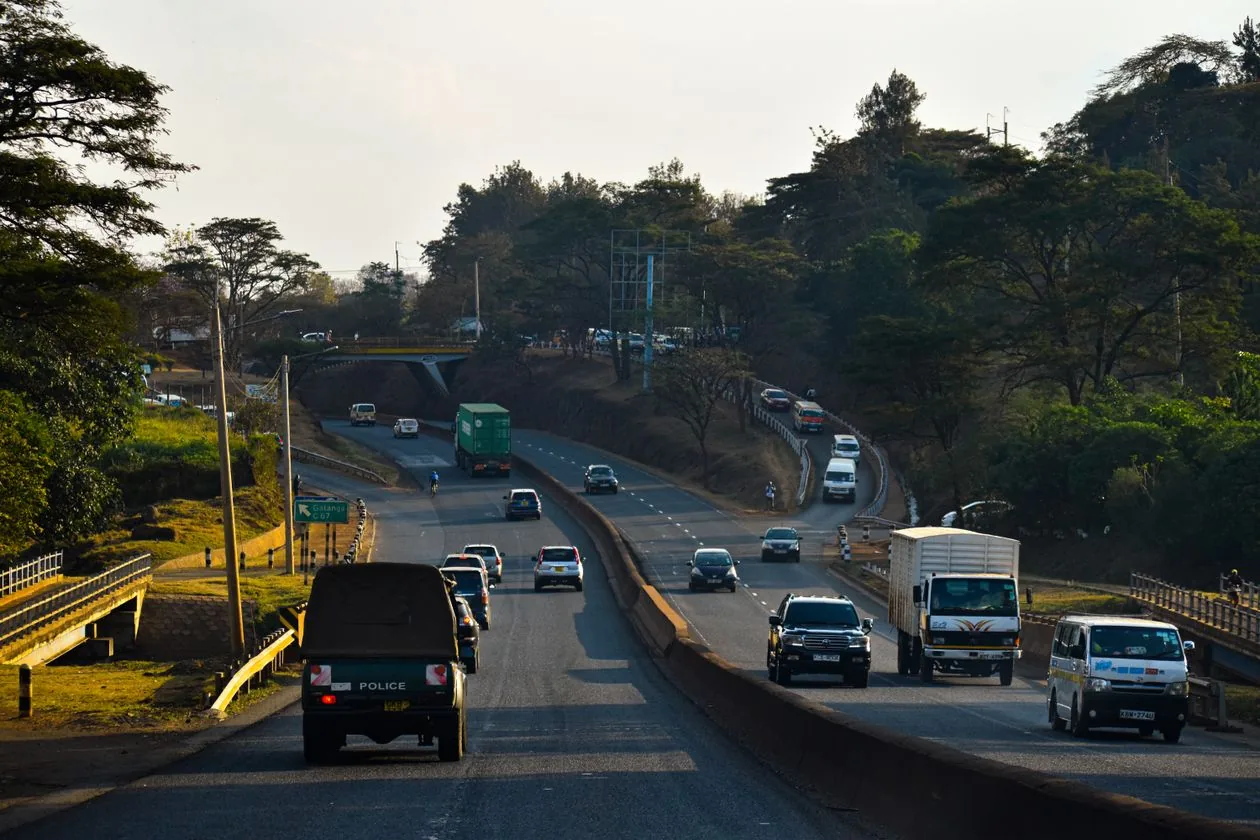
Our approach is scheduled routes with named recipients. Nairobi CBD and Westlands run daily, industrial area and branch drops run on fixed zone-days, and upcountry corridors like Nairobi–Nakuru–Eldoret and Nairobi–Mombasa run on published departure days with overnight staging.
The most expensive delivery is the second attempt. We confirm recipients, floor and access instructions before dispatch, and the rider calls 20 minutes out. First-attempt success stays high because the last 100 metres are planned.
Proof of delivery closes every drop: recipient name, signature or stamp, timestamp and a photo where the client requires it. Your accounts team gets one statement against the POD log instead of a pile of rider receipts.
Handling discipline is what corporates pay for. Documents travel flat and sealed, electronics in padded crates, medical and fragile items never stacked under bulk cargo. Chain of custody is signed at handover, in the vehicle, and at the drop.
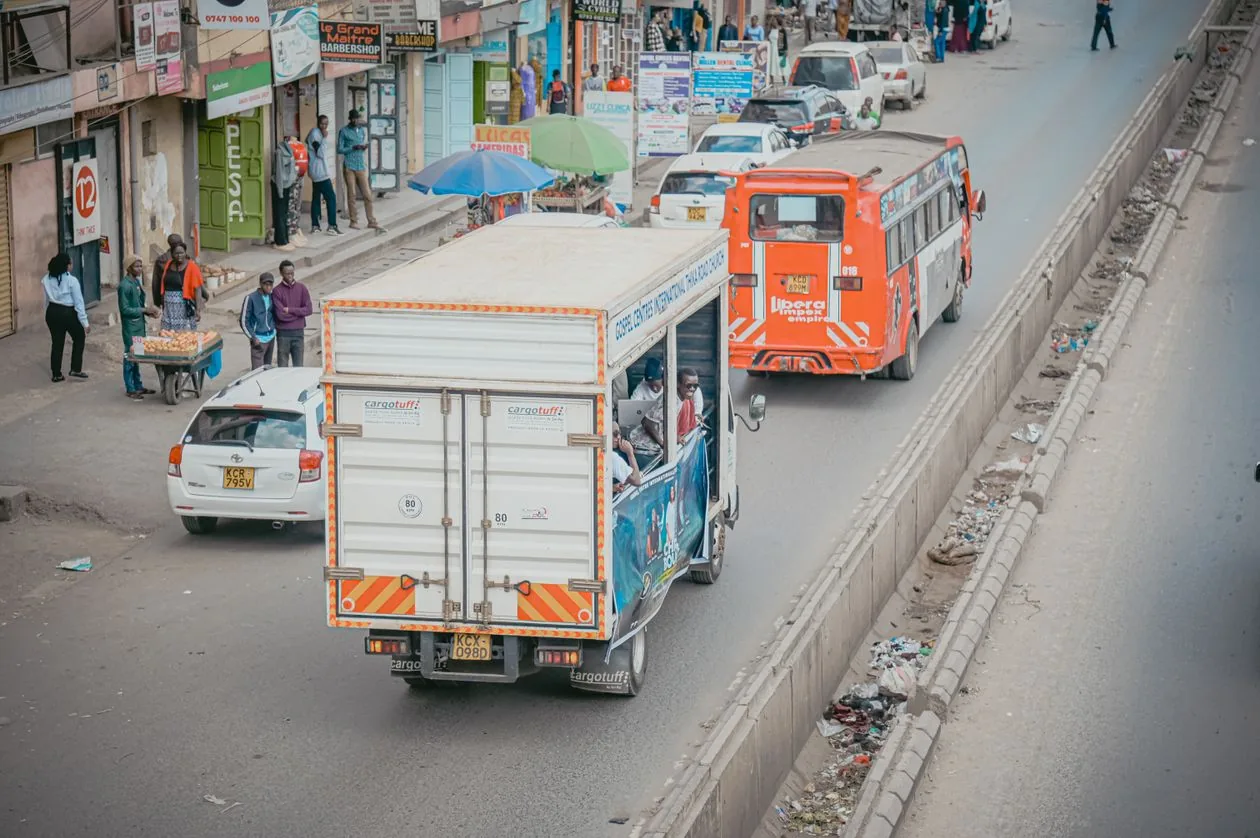
Consolidation is where the savings hide. Five ad-hoc boda runs to the same industrial park cost more than one zoned van run with a manifest. We consolidate drops by zone and day, so you run fewer vehicles on predictable windows.
Upcountry legs get an extra layer: sealed bags, departure and arrival check-ins, and a single custodian per bag so nothing changes hands unlogged between Nairobi and the destination office.
Businesses get predictable delivery windows and a record of everything moved, parcels, documents or small cargo, within the city and upcountry. Schedule the route once, then stop thinking about it.