Conference transport looks simple on paper: a few buses, a few venues. In practice it is dozens of moving parts, guests landing at different terminals, and a program that cannot wait for stragglers.
We plan backwards from the program. Keynote at 9:00 means wheels-up from hotels at 7:45, staged vehicles at each venue by 7:30, and buffer runs between sessions to absorb the panel that overruns by twenty minutes.
Staging is physical, not theoretical. One bus per hotel cluster, a van on standby for late arrivals, and an on-site coordinator holding a live manifest with vehicle, driver, hotel and flight columns. Headcounts are confirmed the night before and re-confirmed at breakfast.
The failure point at most events is the last 200 metres to the venue: guests circling the gate while the program starts. We station a marshal at every arrival point with the manifest and a radio to the staging lead, so buses never queue blind.
Airport reception runs as a separate cell. Name boards, grouped dispatch by hotel, luggage counted before the doors close. A delegate who lands at midnight finds the same order as one who lands at noon.
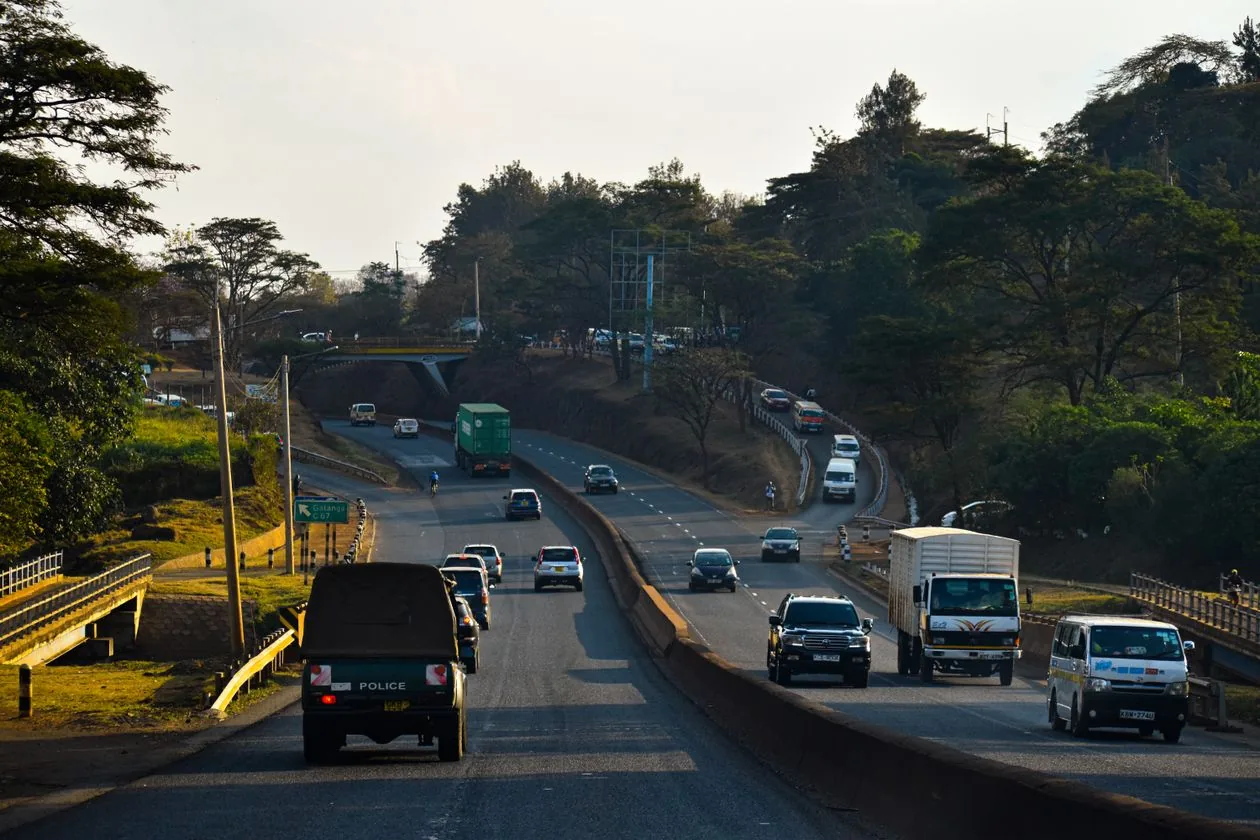
Retreats and trainings outside Nairobi add convoy discipline: lead vehicle, sweep vehicle, fuel and comfort stops agreed in advance, and a check-in protocol so the organiser always knows where the group is on the highway.
After the event, reverse logistics close the day. Staged departures grouped by flight times and hotels, early transfers protected from the after-party rush, and a final manifest sweep so no bag or delegate is left behind.
The result is invisible logistics: delegates who arrive calm, speakers who start on time, and organisers who never have to think about transport on the day.